Bringing the Spirit of Freedom to Life with a Motorcycle Rider Lightbox Paper Cut
The intersection of mechanical passion and artistic expression often finds its most vibrant home in Motorcycle Rider Lightbox Paper Cut designs. This unique form of decor transcends traditional wall art by combining the tactile satisfaction of papercraft with the dramatic illumination of LED technology. For enthusiasts who view motorcycles not merely as vehicles but as symbols of liberty, this layered artwork offers a dynamic way to celebrate that ethos within their personal or professional spaces.
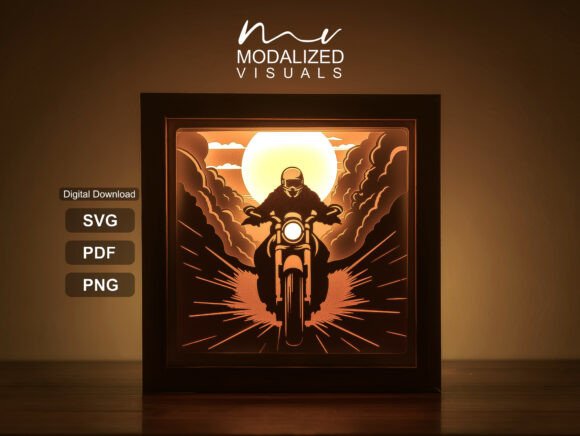
Unlike flat posters or static prints, a lightbox paper cut introduces depth and dimensionality. The design typically features a bold silhouette of a rider, often captured mid-motion or poised for a journey, set against multiple layers of cardstock or acrylic. When backlit, these layers cast intricate shadows that shift and change depending on the viewing angle, creating an immersive visual experience that feels alive. This article explores the intricacies of this craft, its practical applications, and why it has become a staple for modern interior design among bike lovers and creative professionals alike.
The Artistry Behind the Silhouette
At the core of the Motorcycle Rider Lightbox Paper Cut lies the precision of the paper-cutting technique. This ancient art form requires a steady hand and a keen eye for detail, as every line must be deliberate to ensure the structural integrity of the final piece while maintaining fluidity in the design. The artist begins with a digital vector file that outlines the rider, the motorcycle, and often background elements like wind lines or road textures.
The process involves cutting these designs from high-density materials. Cardstock is frequently used for its ease of handling and ability to hold sharp edges, while acrylic sheets are chosen for a more modern, industrial look that mimics the metallic sheen of a real bike. Once the individual layers are cut, they are meticulously assembled using spacers. These spacers create the physical gap between the layers, which is the critical component that generates the 3D shadow effect when illuminated.
The resulting aesthetic is striking because it plays with light and dark. The backlighting does not just illuminate the image; it defines it. Shadows stretch across the layers, emphasizing the curves of the motorcycle's engine, the posture of the rider's helmet, and the aerodynamic flow of the jacket. This interplay transforms a simple shape into a narrative scene, capturing the essence of the open road without needing a single photograph.
Practical Applications in Modern Spaces
The versatility of this artwork allows it to fit seamlessly into a wide variety of environments. Its appeal extends far beyond the typical garage, making it a sophisticated choice for offices, living rooms, and commercial establishments. Understanding where and how to use a Motorcycle Rider Lightbox Paper Cut can maximize its impact on the atmosphere of any room.
- Man Caves and Garages: This is perhaps the most intuitive setting. A garage dedicated to bike maintenance becomes a gallery space when adorned with this lighting feature. It highlights the tools and the bikes themselves, creating a cohesive theme that celebrates the hobbyist lifestyle. The ambient glow provides functional task lighting while serving as a decorative focal point.
- Home Decor and Living Areas: For those who wish to bring the adventure indoors without overwhelming the space, a smaller scale version works beautifully above a sofa or beside a reading nook. The warm light emitted by the LED strips creates a cozy yet energetic ambiance, perfect for evening relaxation after a day of riding.
- Creative Studios and Workshops: Artists and designers often seek inspiration from motion and structure. The geometric precision of the paper cut combined with the organic flow of the rider offers a constant source of visual stimulation. In a studio, it acts as both a mood setter and a conversation starter for clients.
- Retail and Hospitality Environments: Cafes, motorcycle dealerships, and repair shops utilize this decor to instantly communicate their brand identity. A welcoming lightbox at the entrance signals to customers that the establishment understands and respects the culture of motorcycling. It adds a touch of premium craftsmanship that elevates the perceived value of the business.
The Technical Advantages of Layered Illumination
Choosing a lightbox over standard framed art involves specific technical considerations that enhance the viewing experience. The primary advantage is the control over lighting. Unlike external lamps that might cause glare or uneven distribution, integrated LED systems within a lightbox provide uniform brightness. This ensures that every layer is visible and that the shadows remain crisp and defined.
Modern implementations often allow for color temperature adjustments. Riders might prefer a cool white light to mimic the clarity of daylight on the highway, while others may opt for a warmer amber hue to evoke the feeling of a sunset ride. Some advanced units even offer RGB capabilities, allowing the color scheme to change to match different moods or events. This adaptability makes the Motorcycle Rider Lightbox Paper Cut a dynamic element rather than a static decoration.
Energy efficiency is another significant factor. LEDs consume minimal power, meaning the display can remain on for extended periods without contributing significantly to energy costs. This is ideal for businesses that keep their lights on during operating hours or homeowners who wish to leave the piece lit overnight as a nightlight or accent feature. Furthermore, the low heat output of LEDs protects the paper or acrylic layers from warping or discoloration over time.
DIY Potential and Creative Customization
One of the most compelling aspects of this medium is the opportunity for hands-on engagement. While pre-made kits are available, many hobbyists and creators enjoy the challenge of assembling their own Motorcycle Rider Lightbox Paper Cut. This DIY approach transforms the creation process into a meditative activity, similar to the focus required for actual motorcycle assembly or restoration.
For those interested in customization, the possibilities are nearly endless. Creators can select specific models of motorcycles to feature, ensuring the artwork reflects their personal machine. They can alter the background layers to include scenic routes, city skylines, or abstract patterns that represent the feeling of speed. The choice of material also opens up creative avenues; mixing matte black cardstock with translucent vellum can create a ghostly, ethereal effect that contrasts sharply with the solid, grounded feel of the rider.
Educational settings also benefit from this project. Teachers can use the assembly of a lightbox to teach principles of physics, such as light refraction, shadow formation, and perspective. It serves as a tangible example of how 2D designs translate into 3D experiences. Students learn patience, precision, and spatial reasoning while producing a functional piece of art that they can take pride in.
Selecting Materials for Longevity and Impact
To ensure the artwork stands the test of time, material selection is paramount. The durability of the Motorcycle Rider Lightbox Paper Cut depends heavily on the quality of the base materials. High-quality acid-free cardstock prevents yellowing and brittleness, which are common issues with cheaper papers exposed to light over years. For a more robust finish, laser-cut acrylic is preferred. Acrylic offers superior clarity and resistance to cracking, making it suitable for larger installations or high-traffic areas.
The spacers used to separate the layers are equally critical. If the gaps are too small, the shadows will blur, losing the 3D effect. If they are too large, the structure may become unstable or the image may lose its cohesion. Standard foam board or specialized plastic standoffs are commonly used. The thickness of these spacers directly influences the depth perception; a deeper stack creates a more pronounced volumetric effect, drawing the viewer closer to the image.
Lighting components should be selected with care. High-CRI (Color Rendering Index) LEDs are recommended to ensure that the colors of the materials appear true and vibrant. Dimmable drivers add an extra layer of control, allowing the user to adjust the intensity to suit the time of day or the desired mood. Proper wiring and insulation are essential for safety, particularly if the unit is mounted near flammable materials or in a workshop environment.
The Psychological Impact of Motion in Static Art
Beyond the technical and aesthetic merits, there is a psychological dimension to displaying a motorcycle rider in motion. Humans are naturally drawn to depictions of movement; our brains are wired to recognize action and potential energy. A static image of a stationary bike can feel heavy and inert, whereas a rider leaning into a turn or speeding down a straightaway evokes a sense of adrenaline and freedom.
This emotional resonance is amplified by the lighting. As the shadows dance across the layers, the illusion of movement is strengthened. The viewer perceives the rider not as a frozen moment, but as a continuous flow of action. This can be incredibly inspiring for individuals who aspire to ride, offering a daily reminder of their goals and passions. For those who already ride, it serves as a tribute to the lifestyle, reinforcing the bond between the rider and the machine.
In a professional context, this imagery can foster a culture of ambition and forward momentum. Placing such art in a workspace can subtly influence the mindset of employees, encouraging them to embrace challenges and move with purpose. The combination of the rugged motorcycle aesthetic and the refined paper-cut technique creates a balance of strength and sophistication that appeals to a broad demographic.
Considerations for Installation and Maintenance
While the end result is stunning, proper installation is necessary to maintain the integrity of the piece. Wall mounting requires attention to weight distribution. Even though paper and acrylic are lightweight, the frame and lighting system add mass. Using appropriate anchors and ensuring the wall can support the load is crucial to prevent accidents. For larger pieces, a floating mount style, where the box appears to hover slightly off the wall, enhances the 3D effect and simplifies cable management.
Maintenance is generally straightforward but requires regular attention. Dust accumulation on the layers can diffuse the light and reduce contrast. Gentle cleaning with a microfiber cloth or a soft brush is sufficient to remove dust without damaging the delicate cuts. Avoiding direct sunlight is also advisable, as prolonged exposure to UV rays can fade the colors of the paper or degrade the adhesives used in the assembly.
When considering the purchase or creation of a Motorcycle Rider Lightbox Paper Cut, buyers should verify the compatibility of the LED strips with the dimensions of the frame. Ensuring that the power supply is easily accessible and that the switch is conveniently located will improve the user experience. Whether purchased as a finished product or built from scratch, taking these practical steps ensures that the artwork remains a cherished part of the space for years to come.
Ultimately, the Motorcycle Rider Lightbox Paper Cut represents more than just a decorative item; it is a celebration of engineering, art, and the human spirit. By blending the raw power of the motorcycle with the delicate precision of paper crafts, it creates a unique sensory experience that resonates with anyone who values freedom, creativity, and the thrill of the ride. Whether illuminating a quiet corner of a home or the bustling entrance of a shop, this design brings a distinct energy that is impossible to ignore.