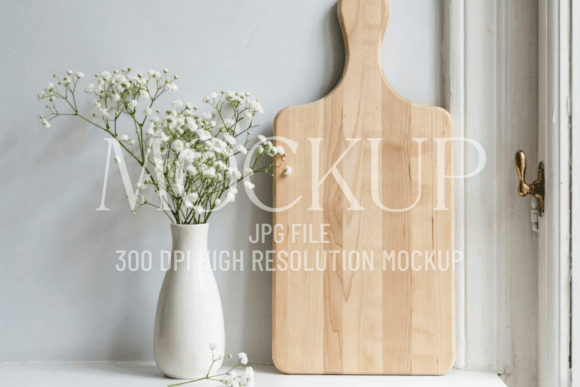
Minimal Wooden Tray
In an era where visual noise often drowns out meaningful messages, the return to simplicity has become a defining characteristic of modern design. The Minimal Wooden Tray is not merely a physical object; it represents a shift in how creators and businesses approach presentation. It serves as a neutral stage for storytelling, allowing the content within or upon it to take center stage without distraction. This evolution reflects a broader cultural move toward authenticity, functionality, and aesthetic clarity.
For professionals ranging from digital marketers to independent artists, the way a product or idea is presented can be just as critical as the product itself. A cluttered background competes for attention, whereas a clean, organic surface like wood provides a grounding element that feels both natural and sophisticated. This is why tools like the Premium Minimal Mockup have gained such significant traction among users who understand that perception drives value.
The Rise of Organic Minimalism in Digital Spaces
We are witnessing a transition away from the hyper-polished, sterile aesthetics of the early 2010s toward something warmer and more tactile. This trend, often termed "organic minimalism," blends the clean lines of modern design with the raw textures of nature. The wooden tray embodies this perfectly. Its grain patterns introduce subtle imperfections that humanize a digital interface, making a brand feel more accessible and trustworthy.
This shift is driven by changing user expectations. In a world saturated with AI-generated imagery and generic stock photos, audiences crave genuine connection. When a designer showcases a quote, a poster, or a social media graphic on a realistic wooden surface, it grounds the digital asset in reality. It suggests that the work behind the screen has tangible value. For entrepreneurs and freelancers, leveraging this aesthetic can significantly enhance the perceived quality of their portfolio or shop offerings.
Bridging Physical and Digital Workflows
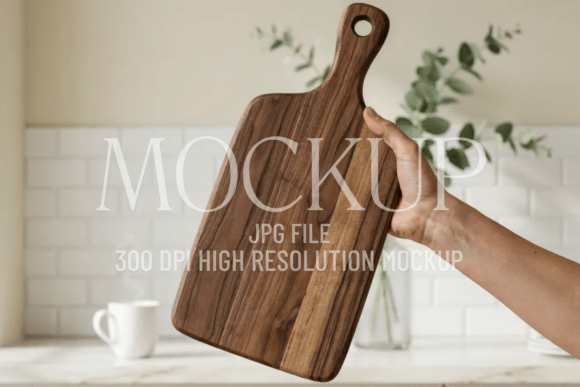
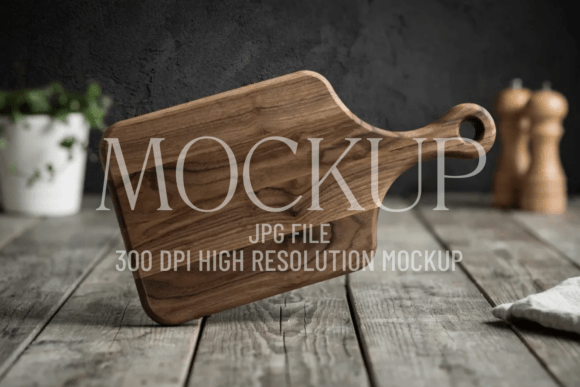
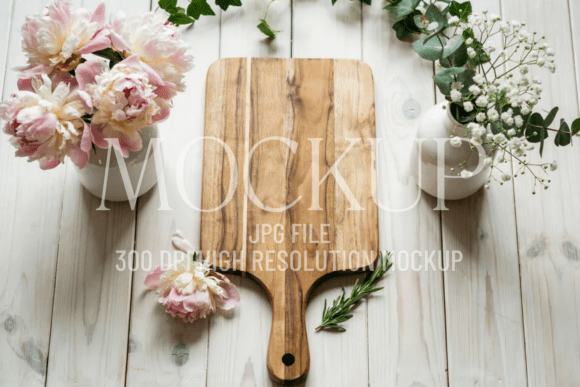
The integration of physical props into digital workflows is no longer just about photography; it is about creating a cohesive narrative. Modern creators often work across multiple platforms, needing assets that look consistent whether viewed on a mobile screen or a large desktop monitor. A high-quality mockup featuring a Minimal Wooden Tray allows for this versatility.
Consider the workflow of a branding agency. They might design a logo, a business card, and a social media banner. Presenting these elements individually can feel disjointed. However, placing them on a unified wooden surface creates a scene. It tells a story of a complete brand identity. This approach reduces cognitive load for the client, helping them visualize the end result more effectively. The result is a more engaging presentation that facilitates better decision-making and faster approvals.
Elevating Product Display Through Strategic Presentation
For e-commerce business owners and shopkeepers, the challenge lies in converting a static image into a compelling desire. The difference between a flat lay and a staged scene can be the deciding factor in a customer's purchase. The Premium Minimal Mockup addresses this by providing a canvas that is versatile yet distinct.
- Focus on the Core: By using a clean mockup with no text, tags, or watermarks, the viewer's eye is directed immediately to the artwork or product being showcased.
- Texture and Depth: The wood grain adds a layer of depth that flat colors cannot achieve. It creates shadows and highlights that mimic real-world lighting conditions, adding realism to digital files.
- Brand Consistency: Whether you are showcasing a new line of skincare products, a set of motivational posters, or a collection of digital art prints, the wooden tray offers a consistent backdrop that ties disparate items together under one aesthetic umbrella.
This level of detail matters because it signals professionalism. When a business invests time in presenting their work through high-resolution, context-aware mockups, it communicates that they care about every aspect of their craft. It is a subtle but powerful signal of quality that resonates with discerning buyers.
Practical Applications for Creators and Educators
The utility of this design tool extends beyond commercial sales. Educators and bloggers often need to create visually appealing thumbnails for tutorials or blog posts. A standard screenshot can feel dry and technical. By utilizing a mockup that places a digital document or design onto a wooden tray, the content becomes inviting and approachable.
Imagine a blogger writing about productivity. Instead of showing a plain laptop screen, they show a notebook with a handwritten quote resting on a wooden tray next to a coffee cup. This visual metaphor instantly conveys the feeling of a cozy, productive workspace. It invites the reader to imagine themselves in that scenario. Similarly, educators can use these visuals to make course materials look more premium, increasing the perceived value of their educational content.
Technical Standards and Professional Quality
While the aesthetic appeal is paramount, the technical specifications of a mockup determine its usability in professional settings. The Minimal Wooden Tray mockup described here adheres to industry standards that ensure crisp output across various mediums. The inclusion of a 300 DPI high resolution file is crucial for anyone planning to print their designs or display them on high-density screens.
Low-resolution images appear pixelated and unprofessional, which can undermine the credibility of even the best designs. By ensuring that the base file is high-quality, creators avoid the frustration of re-rendering or downscaling later. Furthermore, the provision of a High-quality JPG file ensures compatibility with almost all design software and web platforms, streamlining the production process.
The absence of pre-existing text, tags, or watermarks is another critical feature. It gives the user total creative control. There is no need to spend hours masking out logos or removing unwanted overlays. The canvas is ready to receive your specific vision, whether that involves layering a new brand identity, testing a color palette, or simply displaying a piece of art.
Adapting to Future Trends in Visual Communication
Looking forward, the demand for authentic, human-centric design is likely to grow. As technology advances, we may see an increased reliance on virtual and augmented reality, yet the desire for tangible, sensory experiences remains strong. The wooden tray bridges this gap by bringing a sense of touch to a digital environment.
Businesses that anticipate this shift will find success by adopting tools that offer this blend of digital efficiency and physical warmth. The ability to quickly generate professional-looking visuals without a full photoshoot is a competitive advantage. It allows small teams and solo entrepreneurs to compete with larger corporations that have dedicated photography departments.
Moreover, the sustainability angle of using natural materials in design aligns with the growing consumer preference for eco-conscious brands. Even if the mockup is digital, the imagery of wood promotes values of sustainability and natural living. This alignment with current lifestyle shifts can subtly influence consumer sentiment in favor of the brand.
Conclusion: Bringing Creativity to Life
The journey from a raw concept to a polished final product is filled with challenges, but the presentation phase should not be one of them. With the right tools, designers can elevate their work from simple graphics to immersive experiences. The Minimal Wooden Tray and its accompanying Premium Minimal Mockup provide exactly that—a foundation for creativity that is both sturdy and flexible.
Whether you are a marketer refining your campaign visuals, an artist selling your latest print, or a freelancer building your portfolio, the choice of presentation matters. By choosing a clean, fresh, and modern aesthetic, you ensure that your message is heard clearly. You improve your product display, showcase your artwork professionally, and ultimately bring your creativity to life with ease. In a crowded marketplace, standing out requires more than just good ideas; it requires the right stage. Let the wood speak, and let your design shine.